

Low-dose atropine drops are one of the most researched options for managing childhood myopia. They’re simple to use and designed to help slow the progression of nearsightedness. Eye See Optique Dumfries guides families through this option with care and clarity.

How Low-Dose Atropine Drops Help Manage Myopia
Myopia usually develops when the eye grows longer than it should, making faraway objects look blurry. Atropine drops don’t replace glasses or contact lenses; instead, they influence how the eye grows. When used consistently, low-dose atropine eye drops can help slow progression over time, reducing the need for frequent prescription changes and supporting long-term eye health.
What to Expect During Your Visit
Your child’s visit begins with a comprehensive eye exam to understand how their eyes are changing. If atropine is a good fit, our optometrist will discuss how the drops work, how often they’re used, and what kind of improvements you may expect to see.
We walk parents through every step: how to apply the drops at home, how to watch for mild side effects like temporary light sensitivity, and how follow-up visits help us fine-tune the plan.
Daily Use: What Families Should Know
Most children use atropine drops once a day, typically at bedtime, for comfort and consistency. The routine is simple, and most kids adapt quickly. Treatment often continues for several years, depending on how your child’s prescription changes over time.
Mild light sensitivity or temporary blurred near vision can occur in the early stages of treatment, but these effects are usually manageable and fade as the eyes adjust. Our team is available if you have questions or notice anything unexpected.

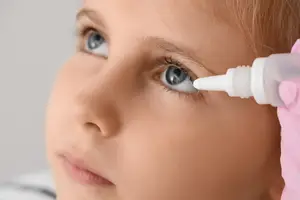
Why Is This a Good Myopia Conctrol Options for Children?
Atropine is a practical choice for families looking for a low-maintenance approach to myopia management. It works well for children who aren’t ready for contact lenses or who prefer a noninvasive treatment plan.
Because the eye drops do not affect daily activities, children can continue schoolwork, sports, and hobbies without interruption.
Your Myopia Management Plan
Myopia management is most effective when customized. Atropine drops may be used on their own or in combination with other treatments, such as specialty soft lenses or myopia-control glasses. Your child will still need glasses or contact lenses for clear vision, but atropine helps support healthier vision over the long term.
During follow-up visits, we track how your child’s eyes are growing, review progress and make adjustments as needed.
Questions About Atropine
How long does my child need to use atropine drops? Every child’s eyes grow at a different pace. Many children use atropine for several years. During follow-up visits, we track your child's progress and guide you on when treatment may be adjusted or discontinued.
Will my child still need glasses while using atropine? Yes. Atropine slows the progression of myopia, but it does not replace glasses or contact lenses.
Can atropine be used with other myopia treatments? Yes. Atropine often works well alongside other options such as myopia-control glasses or specialty soft lenses.

If you’re curious whether atropine is the right option for your child, we’re here to help. A myopia evaluation gives us a clear picture of your child’s vision and the tools to recommend the best next steps.